
Preventing Algae Growth in Your Pool
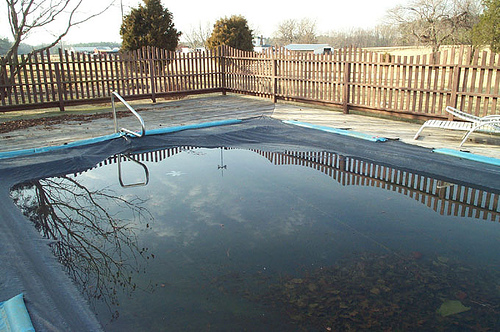
Among the complaints we hear from swimming pool owners and operators, problems with algae are some of the most common. In the colder months of late fall and winter, swimming pools tend to stay clear and algae-free with minimal maintenance. When the pool is winterized, it stays covered until spring and the owner can forget about it entirely until opening.
Algae Types and Treatment
Algae are single-celled marine plants-and there are literally thousands of different species that can potentially develop in swimming pools and spas. Here is a look at the common types of algae found in swimming pools:
- Green algae: This is the most common type of algae found in pools and spas, and can be free-floating or wall-clinging. Fortunately, it's also the easiest type to treat.
- Yellow algae: Also called mustard algae, this type can resemble a layer of slimy dirt at the bottom of the pool. Yellow algae are more difficult to treat than green algae, though most treatment products will be effective if the layer of algae is thoroughly brushed prior to treatment.
- Black algae: Black algae, which actually appear more blue-green in color, typically form in the cracks, crevices, and holes of pools, and are often found in areas that receive more shade. This type of algae is resistant to normal chlorine levels, and can require more aggressive methods of treatment.
Preventing Pool Algae
There are several measures that you can take to prevent algae from forming in your pool:· If you own a chlorine pool, be sure to maintain levels between 1 ppm and 3ppm at all times. This is a critical measure that will prevent most types of algae from forming.
- Regularly clean your pool and pool equipment. This includes routine skimming, brushing, vacuuming, and thorough cleaning of all pool accessories and cleaning equipment.
- Perform frequent checks to ensure proper water balance and chemical levels.
- Immediately fix any cracks, holes, dead corners or rough surfaces that develop in your pool. Many algae problems develop in these types of conditions.
- Ensure that your water is being treated with the proper filtration system, and that you are using the appropriate size pump for your pool.
- Ask swimmers to shower before entering the pool.
Treating algae in your pool can be a difficult, time-consuming task, and can require repeated brushing, vacuuming, pool shock treatment, and the use of commercial grade algaecides. Preventing pool algae from forming is much easier than treating it. Many pool owners opt to schedule regular cleaning and maintenance services to make sure that their pools are always properly cleaned, algae-free, and safe to enjoy.
