
Closing an Inground Swimming Pool for Winter
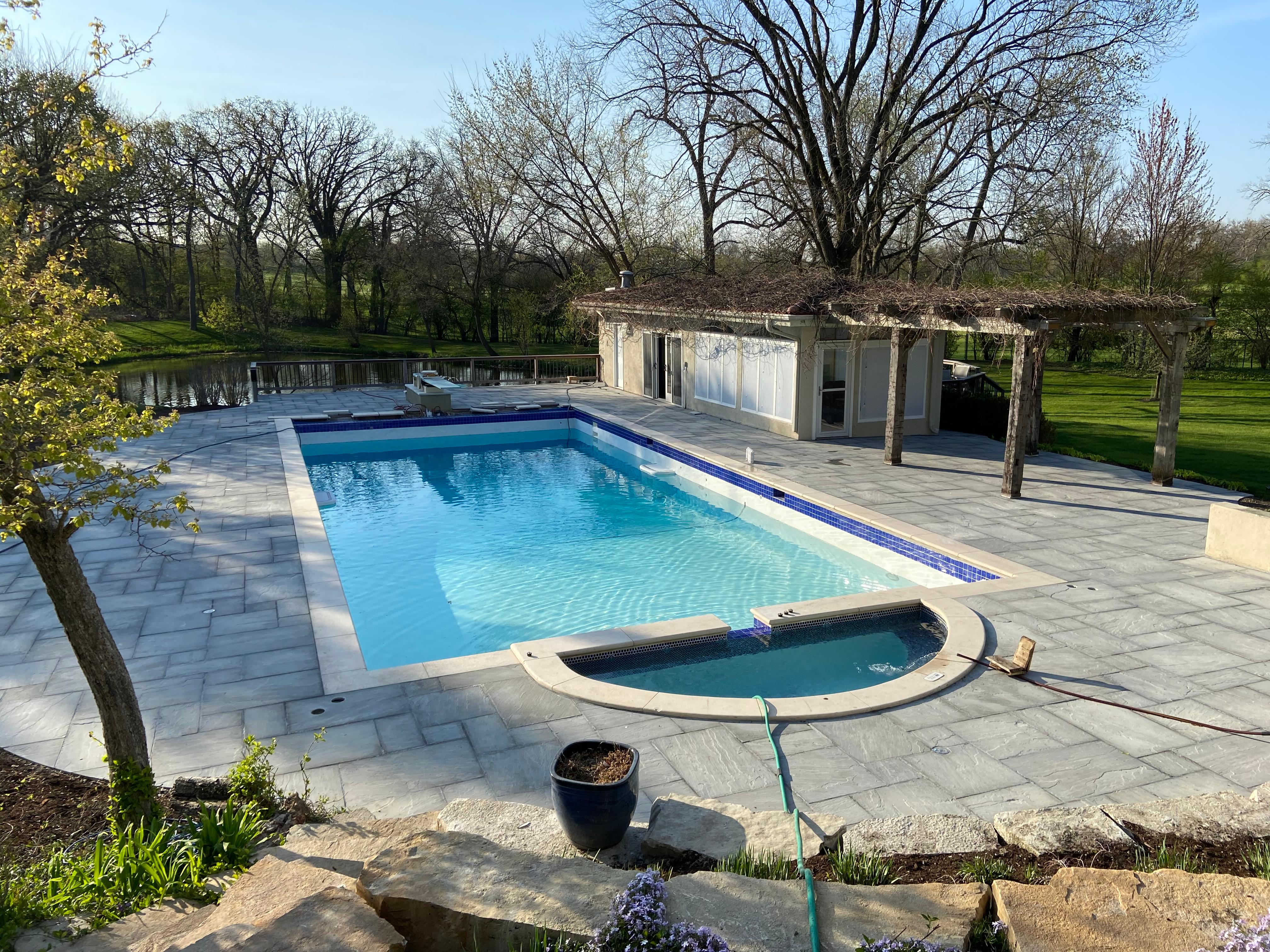
As the days begin to get a little shorter and the leaves slowly start to change, we know that summer is coming to an end. As we start to think about the imminent coming of snow and severely cold weather, it is important to consider the large task of closing your pool. This task is often tedious and one of the most dreaded by pool owners everywhere. While closing the pool yourself is an option, many inground pool owners opt to hire a service to avoid the hassle and potential risk associated with taking on the job yourself.
Examine the Pool
Check for cracks, leaks, or tears in the pool or the liner. These issues need to be repaired before you close the pool. Often, pool owners that decide to wait on the repair find the problem to be worse when they reopen the pool the following summer. Harsh winters can have severe negative effects on already damaged pools.
Test the water
It is extremely important for the health of your pool to be chemically balanced prior to putting on the winter cover. Chemically imbalanced pools can cause corrosion, staining to the liner, or scale build-up during the winter. It is also important to check for and treat any algae growth immediately.
Clean Out Everything
Remove everything from the pool. This list includes, but is not limited to: diving boards, ladders, pool toys, ropes, baskets, wall fittings, skimmer baskets, and any other stray items. Many pool owners also choose to store pool furniture and flower pots in attics or basements to prevent damage. It is important to let everything dry completely before storing it. When you go to open the pool next year, you don't want all of your pool toys or other items to be covered in mold or mildew.
Blow Out and Add Antifreeze to all Pool Equipment and Lines
It is crucial to backwash both the filter and heater to ensure excess water will not remain in your pools pipes during the cold winter. Leaving water will cause cracking and can most likely guarantee a hefty repair bill come spring. Utilizing a shop vac will remove up to 99% of water. Cover all of the exposed pipes with duct tape and remove the return jet fittings and drain plugs and store them. After you drain the water from the pump, filter, and heater and shop vac it, force antifreeze through the empty lines followed by a rubber plug to keep them dry.
Drain the Pool
Draining the pool can be a difficult process for pool owners since it requires careful attention and some prior knowledge in order to avoid ruining the pool. It is important to never drain the pool completely. The amount that needs to be drained will be dependent upon the material of your pool. If you have decorative tile along the top of the pool wall, it is important to drain the pool below the tile to prevent cracking. Basically, you need to lower the water to below the lowest pool return to allow for your pool to properly winterize. Check out the previous blog I wrote that details exactly how to drain your inground pool.
Cover the Pool
Before covering the pool, check the cover for rips or tears. If there are any, cover them with duct tape to prevent debris or critters from entering the pool during the off-season. The most common type of pool cover is a winter safety cover that secures tightly to raised deck anchors.
The entire process of closing your inground pool for summer is often a lot of work. If you feel overwhelmed just thinking about the process of closing your pool, feel free to contact AAA Pool Service, we handle the maintenance so you can focus on the fun.
